Actuellement Vide: 0,00 DT
Understanding the Balance between Luck and Skill
In the world of gambling, two distinct forces compete for the attention of players: luck and skill. Luck can be seen as the random events that can lead to a player’s success or failure, often irrespective of their actions. For instance, a roll of the dice in craps or a card drawn in blackjack can determine the outcome without any influence from the player. This unpredictable nature is what many find exhilarating when they step into a gaming environment, where anything can happen in a matter of seconds. The excitement derived from the element of chance is a cornerstone of why many people are drawn to gambling, and those looking for a thrilling experience might consider the best online casino with instant withdrawal options available to them.
On the other hand, skill is the expertise that a player develops over time, which can significantly influence outcomes in various gambling games. Skills can include understanding probabilities, developing strategies, and making calculated decisions based on the game situation. For example, a seasoned poker player can read their opponents and employ strategies that enhance their chances of winning, showcasing how skill can tip the balance in their favor during gameplay. This interplay between luck and skill keeps players engaged, as they strive to harness their abilities while facing the whims of fate.
Ultimately, understanding the interplay between luck and skill is essential for gamblers. While luck can play a significant role, especially in games of chance, skill can provide a competitive edge that may lead to consistent success. Players often find themselves navigating this balance, learning when to rely on their skills and how to respond to the unpredictable nature of luck in the gambling arena. This awareness can lead to more strategic play and a deeper appreciation for the complexity of gambling as a whole.
The Impact of Game Type on Luck and Skill
The type of gambling game played has a significant impact on the roles of luck and skill. Games such as slots, roulette, and bingo are predominantly based on luck. In these games, the outcome is determined entirely by chance, which means that no amount of skill can influence the results. Players engage in these games for the thrill of the gamble, enjoying the anticipation of a possible big win without the burden of complex strategies or decisions. The simplicity of these games can be appealing, providing instant gratification in the form of fun and excitement.
Conversely, games like poker, blackjack, and sports betting demonstrate a pronounced reliance on skill. In poker, for example, players must analyze their opponents’ behaviors, calculate odds, and employ bluffing strategies, which requires extensive practice and knowledge of the game. Similarly, in blackjack, a player’s ability to count cards and make informed decisions can significantly enhance their chances of winning. This illustrates how the skill component can lead to more favorable outcomes for knowledgeable players. Engaging in these skill-based games fosters a culture of learning and improvement among players.
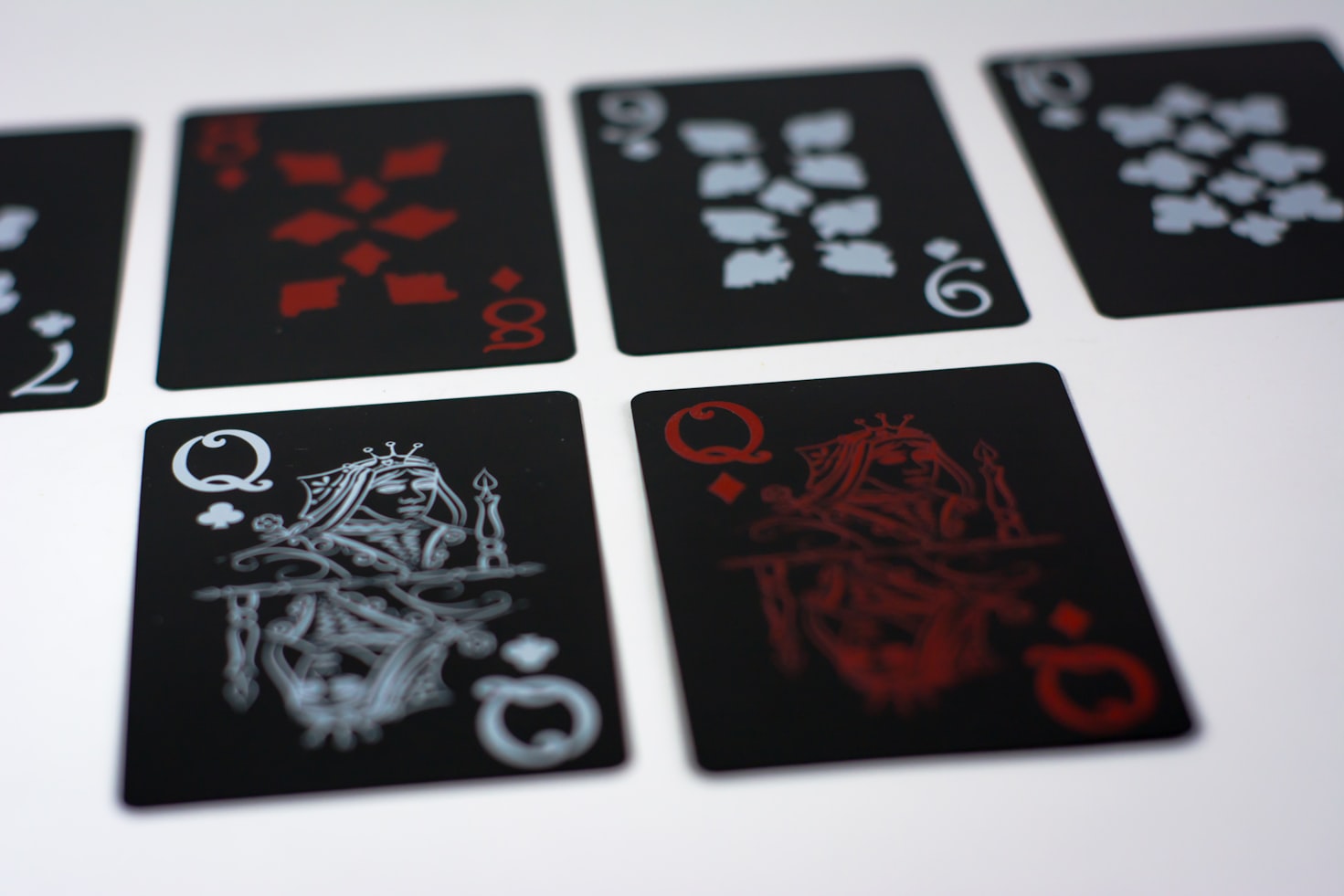
Thus, understanding the type of game being played can assist players in determining how much to rely on luck versus skill. Those who prefer games that lean heavily on skill may find satisfaction in the strategic elements, while those who enjoy the thrill of pure chance may prefer games that rely on luck. This distinction can influence a player’s choice of games, enhancing their overall gambling experience. A player’s personal preferences and strengths can guide them towards games that resonate with their approach to gambling.
The Psychology of Luck in Gambling
The psychological aspect of luck plays a profound role in gambling behavior. Players often attribute their successes to luck, while failures may be rationalized as bad fortune. This perception can significantly influence a person’s gambling patterns, leading to behaviors like chasing losses or overestimating their skill. The thrill of winning can create a euphoric state, where players feel invincible and overly reliant on luck, overlooking the critical role of strategy and skill. This psychological phenomenon can create a cycle that keeps players returning, even when they face losses.
Moreover, cognitive biases can enhance the belief in luck. Concepts such as the gambler’s fallacy, where players believe past outcomes will influence future events, can lead to faulty decision-making. For instance, a player may think that a particular number is “due” to win based on previous rounds, which could result in misplaced bets and ultimately greater losses. Understanding these psychological tendencies is crucial for responsible gambling practices. By becoming aware of these biases, players can make more informed decisions and avoid falling into detrimental habits.
Recognizing the influence of luck and its psychological impact can help players maintain a healthy relationship with gambling. By remaining aware of the random nature of outcomes and the limits of skill, players are more likely to engage in gambling as a form of entertainment rather than a means to an end. This mindset fosters a more responsible approach, where enjoyment is prioritized over the quest for continual wins, ensuring a balanced perspective on the intricacies of luck in gambling. Self-awareness can empower players to enjoy their experience while minimizing negative consequences.
Strategies for Balancing Luck and Skill
To maximize their chances of winning, gamblers can employ strategies that capitalize on both luck and skill. One effective approach is to focus on games where skill plays a crucial role, such as poker or blackjack, allowing individuals to leverage their expertise. By honing their skills, players can gain a competitive edge, reducing reliance on luck in these games. This emphasizes the importance of practice and learning, enabling players to make informed decisions that lead to more favorable outcomes. The more players invest in understanding their game, the better equipped they are to navigate its complexities.

Additionally, bankroll management is a critical strategy in balancing luck and skill in gambling. Setting limits on how much to wager can help mitigate losses and extend the playing experience. By managing their funds wisely, players can approach each game with a clear mind, allowing them to rely on their skills without the pressure of exceeding their setbacks. This strategy reinforces the notion that responsible gambling is feasible and necessary. Players who manage their bankroll effectively are often more relaxed and able to focus on their strategy rather than the anxiety of potential financial loss.
Furthermore, seeking to understand the probabilities and odds associated with each game can enhance a player’s strategic approach. Knowledge of how certain bets pay off in the long run allows gamblers to make calculated risks, blending the elements of luck and skill into a coherent strategy. By embracing both aspects, players can enrich their gambling experiences while increasing their chances of success. Staying informed and continuously learning about the games can lead to more strategic play and a deeper enjoyment of the gambling experience.
Exploring More Insights on Gambling
For those looking to delve deeper into the fascinating world of gambling, there is a wealth of information available. Various resources provide insights into the psychology of gambling, strategies for winning, and the intricate balance between luck and skill. Engaging with expert analyses can help players refine their understanding of different games and the strategies that go along with them. This ongoing education can enhance their ability to play responsibly and effectively.
Moreover, online platforms dedicated to gambling education offer numerous articles, videos, and tutorials. These resources cover a range of topics from basic game rules to advanced strategies that can enhance a player’s overall understanding and performance in gambling. This knowledge can empower individuals to make informed decisions while enjoying their gambling experiences. The availability of such resources fosters a community of informed players who share strategies and tips for enjoying gambling more responsibly.
As players navigate their journeys in gambling, accessing such resources can help them become more skilled and aware of their gambling habits. This will not only improve their chances of winning but also enhance their enjoyment of the games they love. Embracing the role of both luck and skill will undoubtedly lead to a more fulfilling gambling experience overall. By prioritizing education and understanding, players can ensure that their gambling remains a fun and engaging activity without becoming detrimental to their lives.